May 31, 2026
Natalia, Woland, and I moved here last Wednesday and Eda, Natalia’s mother, arrived on Friday. This chaotic, noisy, polluted, and dusty city will be our home for the next three or four years. Moving here was not my first choice, but successful marriages are built on a sequence of compromises.
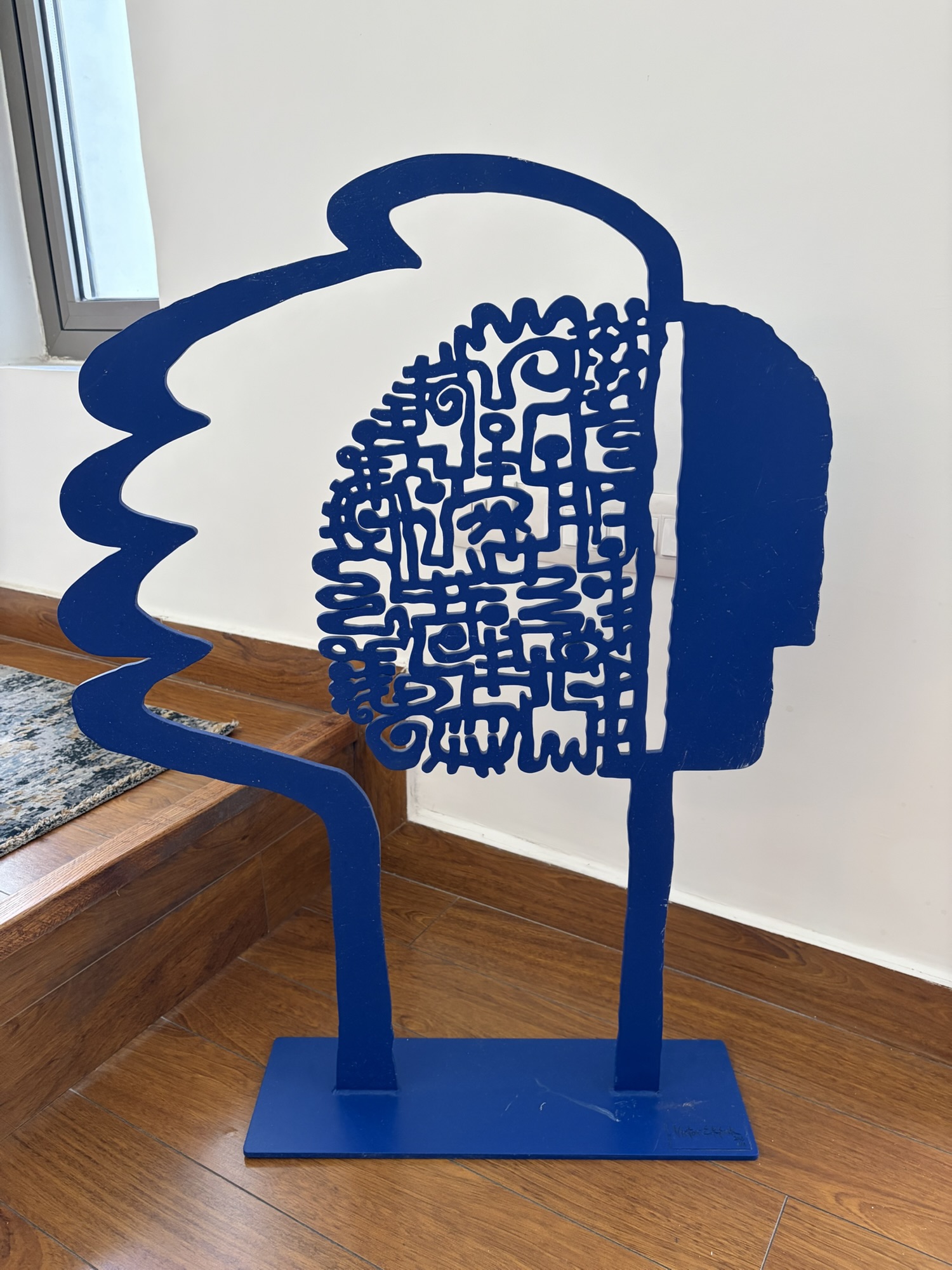
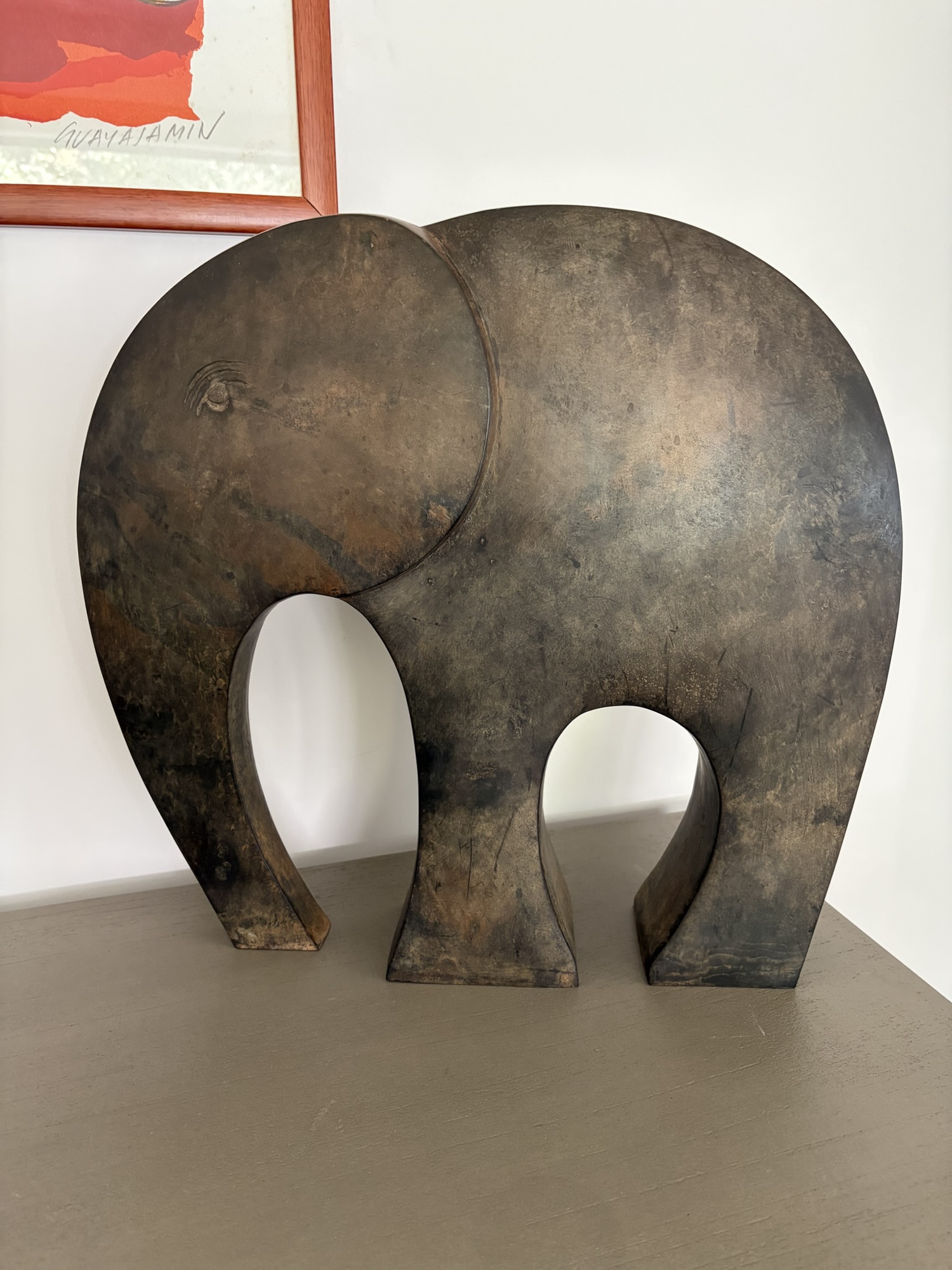
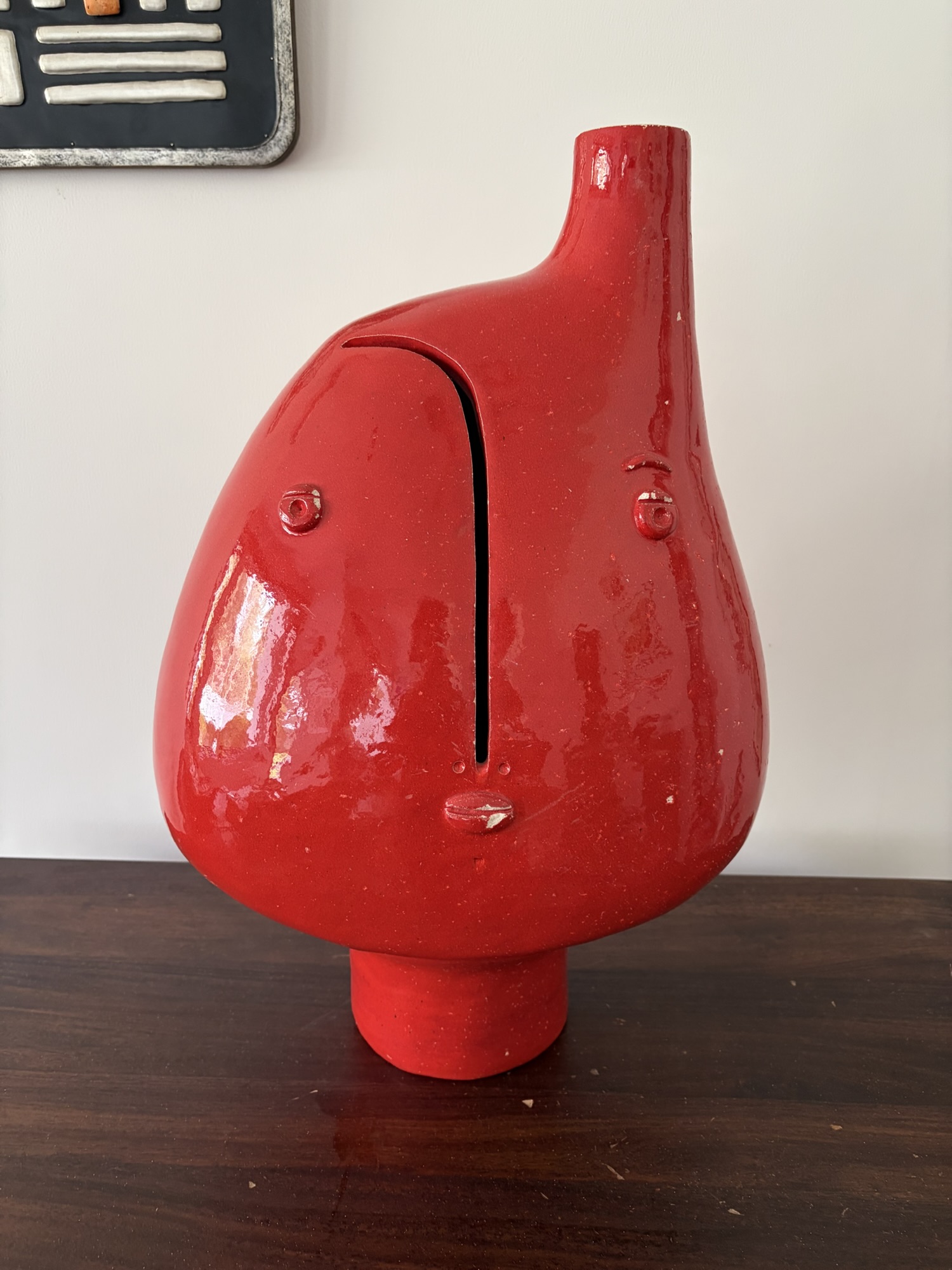
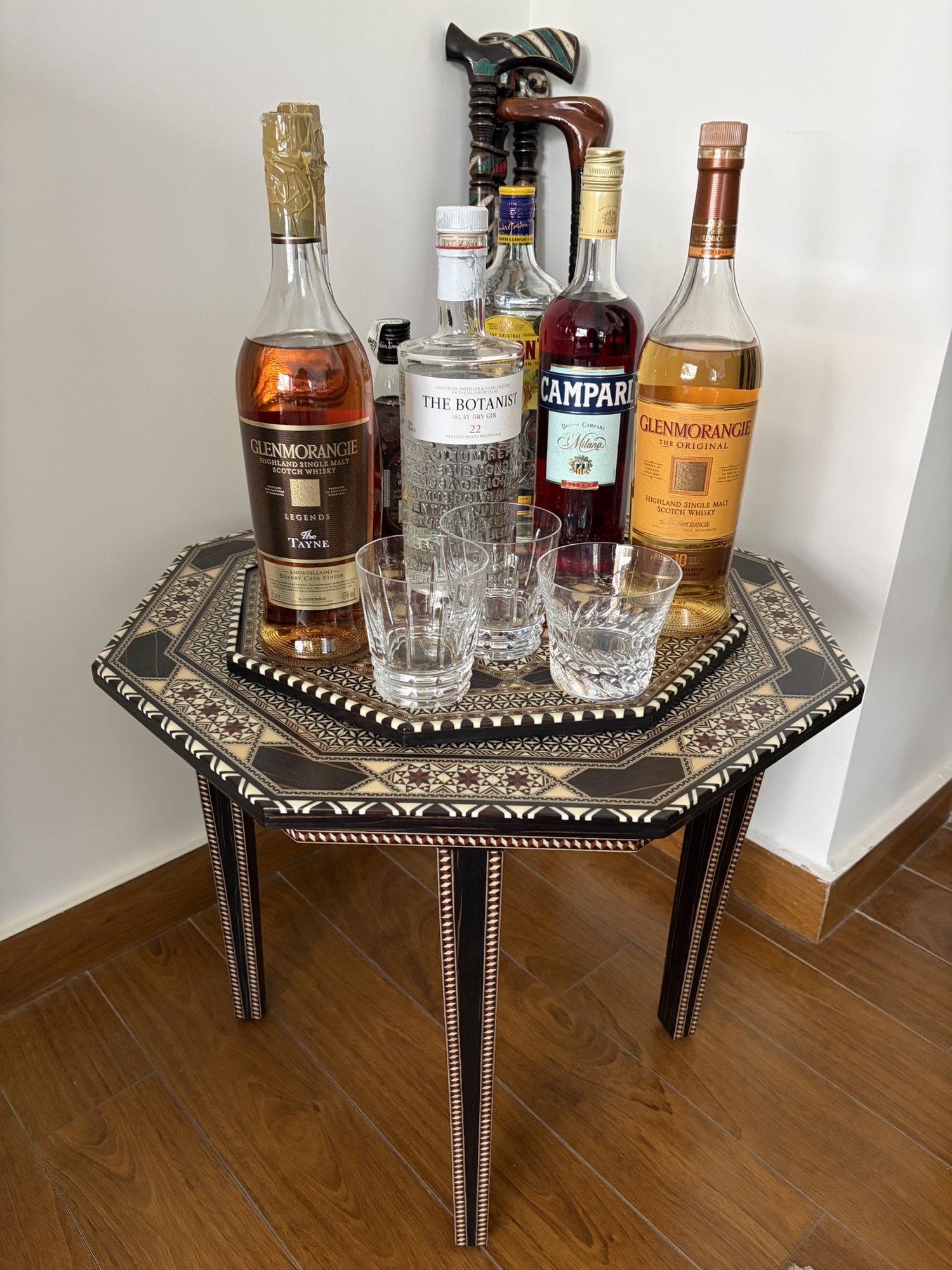
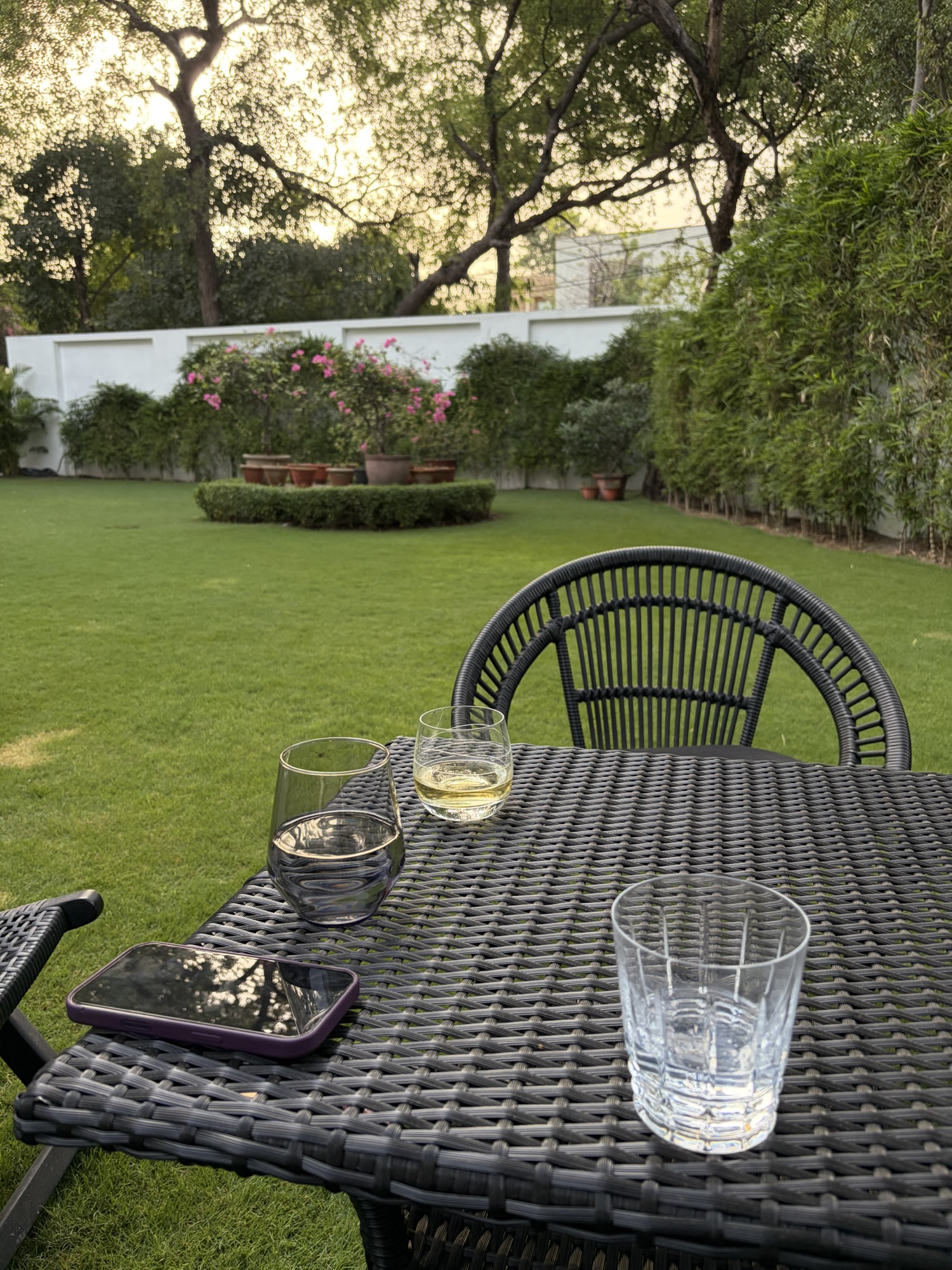
Natalia is renting a house in Friends Colony, in southeast New Delhi. Originally established in the 1950s, the colony itself is quite pleasant — just a few quiet streets lined with trees and green spaces, and relatively little traffic. I also like the house, which has a large patio where Woland and I can play ball. And all our furniture and artwork arrived safely. The main drawback is its proximity to one of the major roads connecting different parts of the city. Traffic is heavy around the clock, and the driving culture relies heavily on the horn. The noise never really stops, though the windows are soundproof and, from inside the house, it fades almost completely into the background.
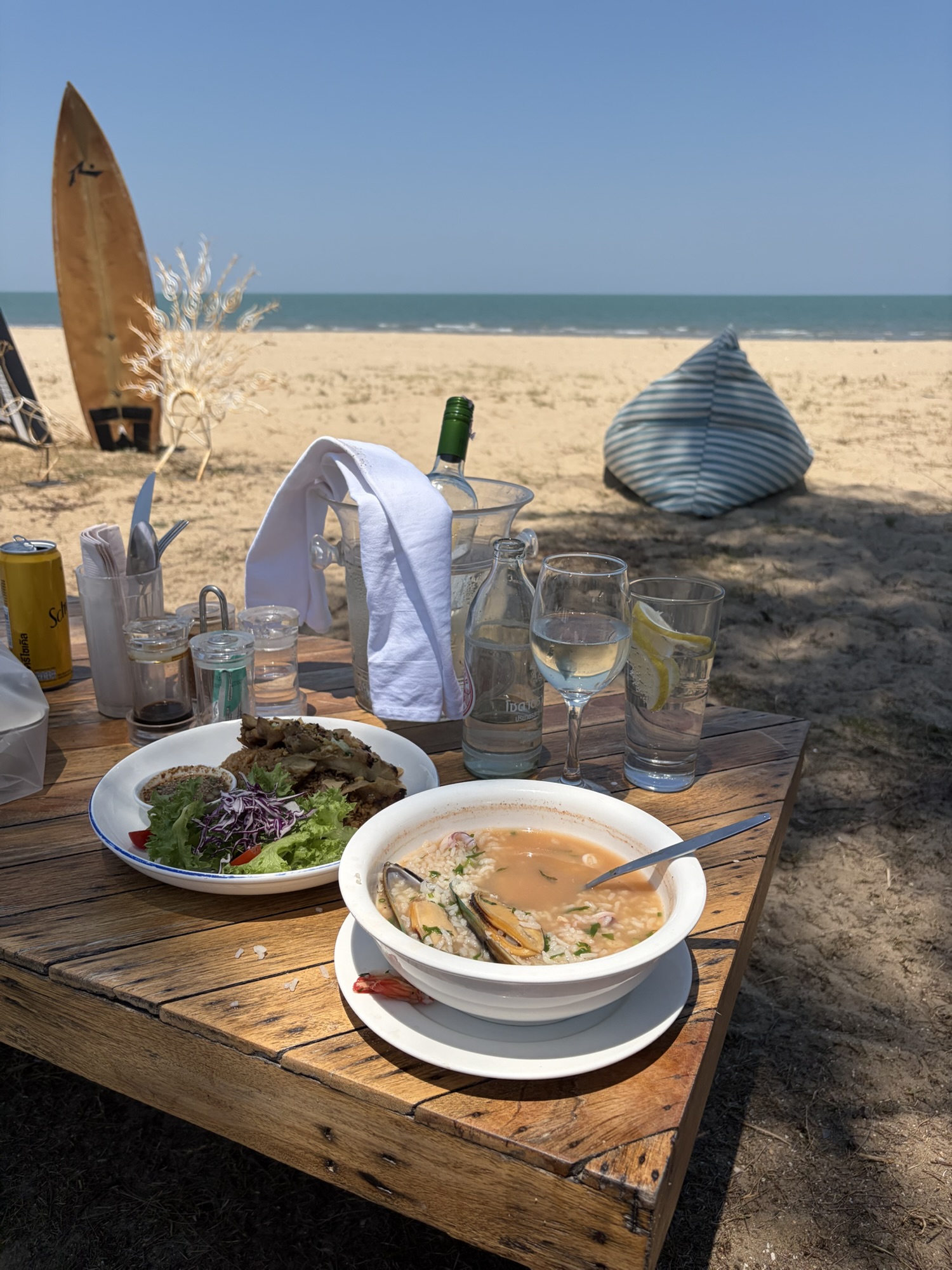
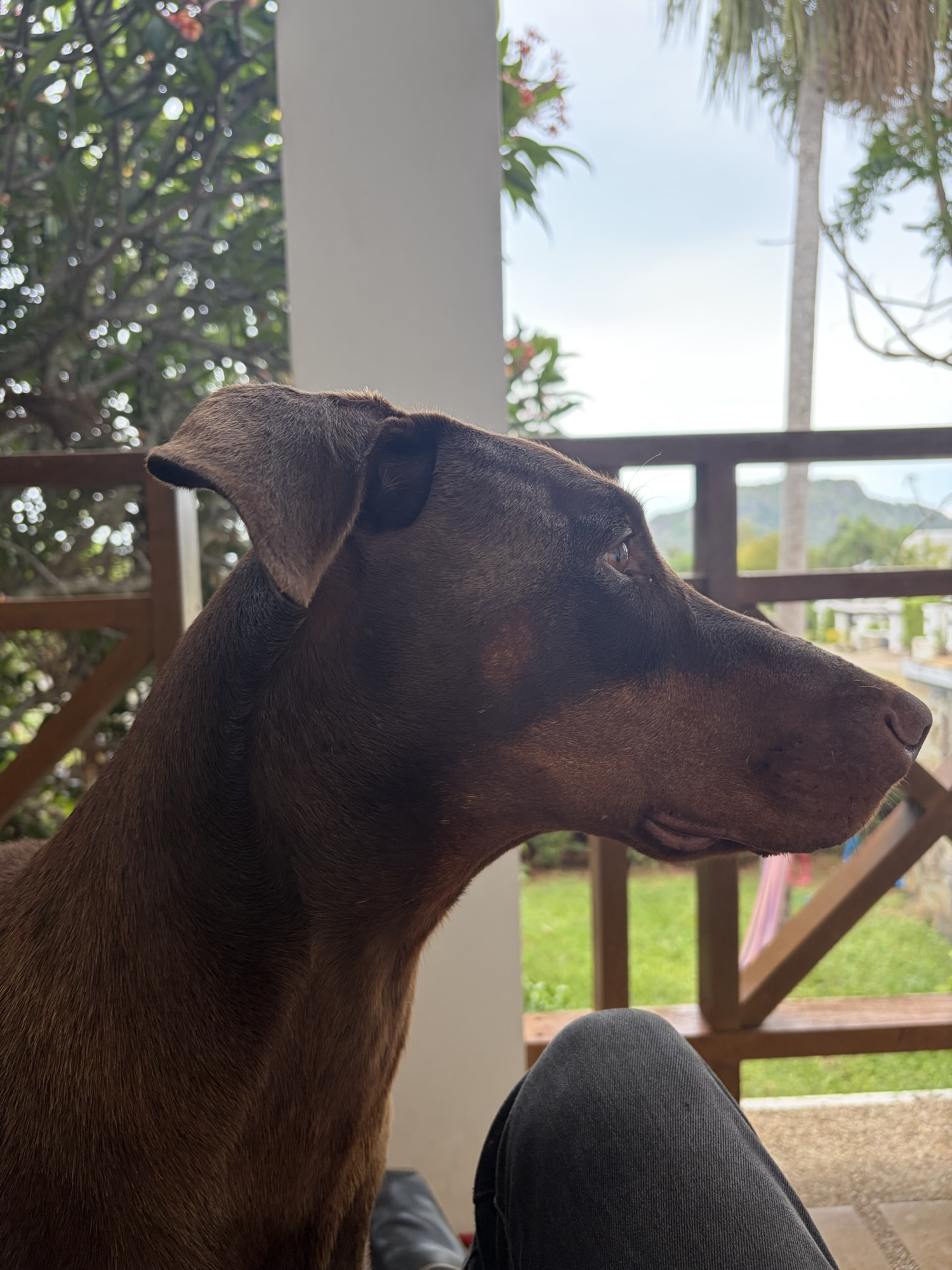
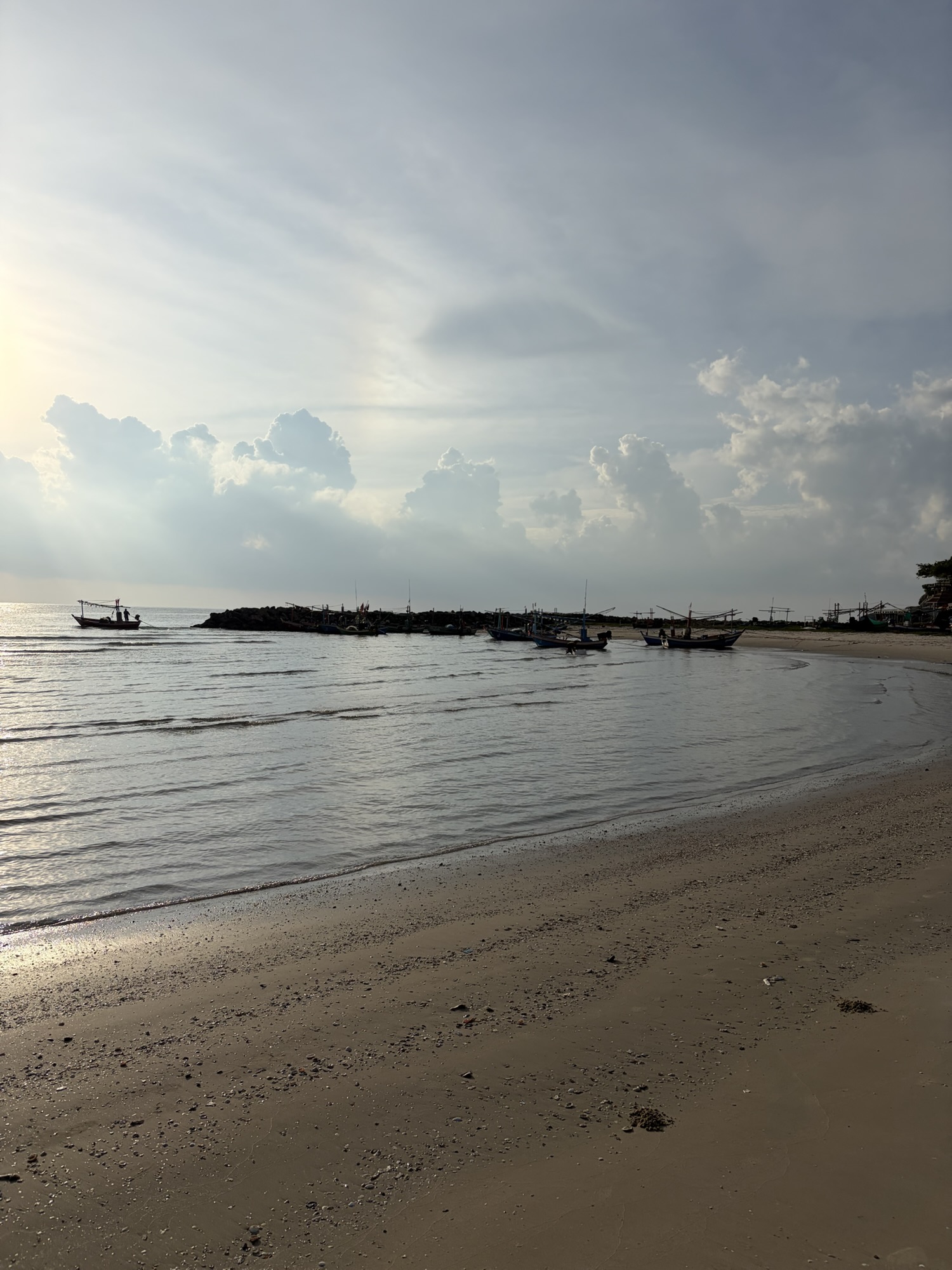
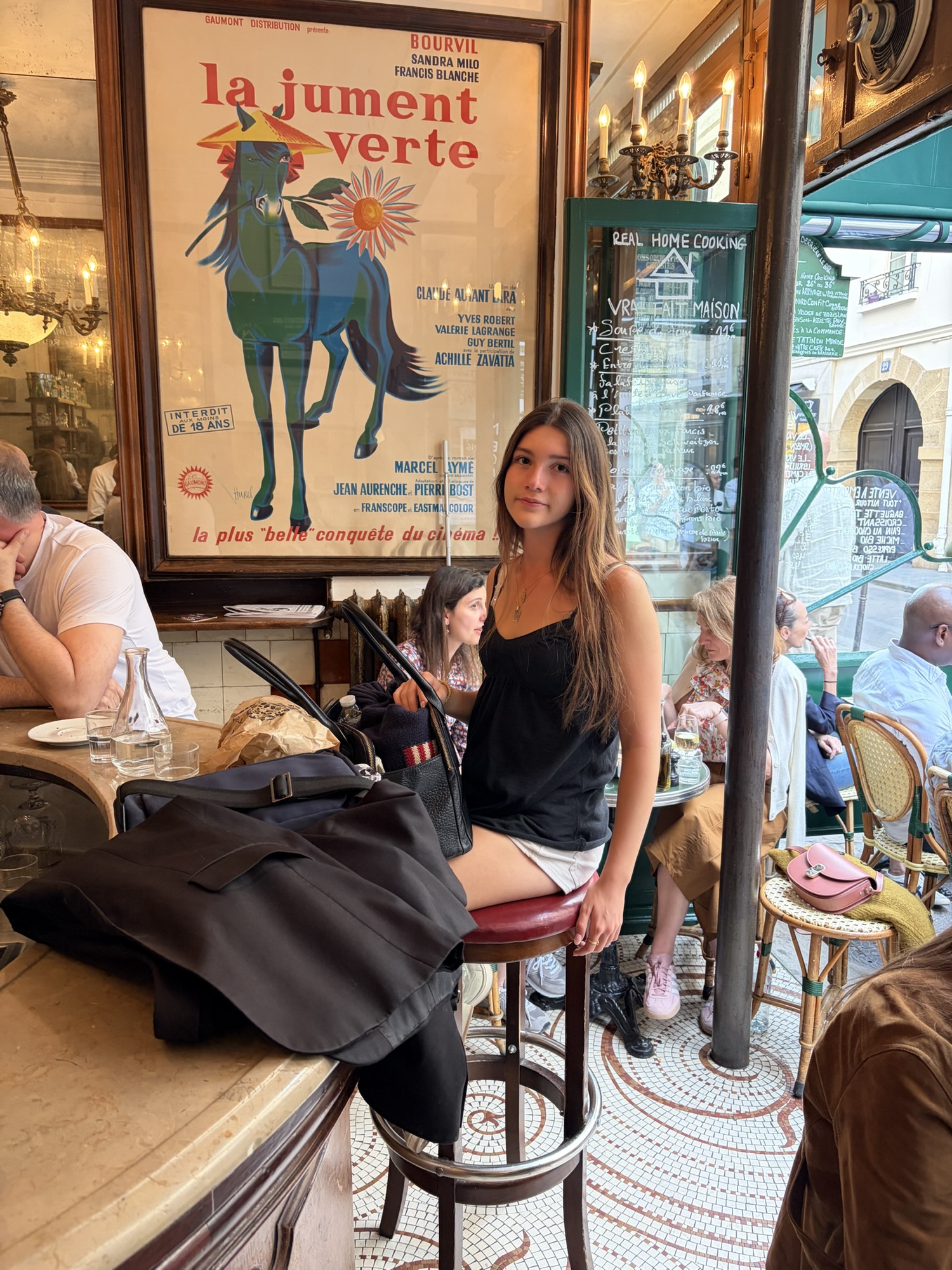
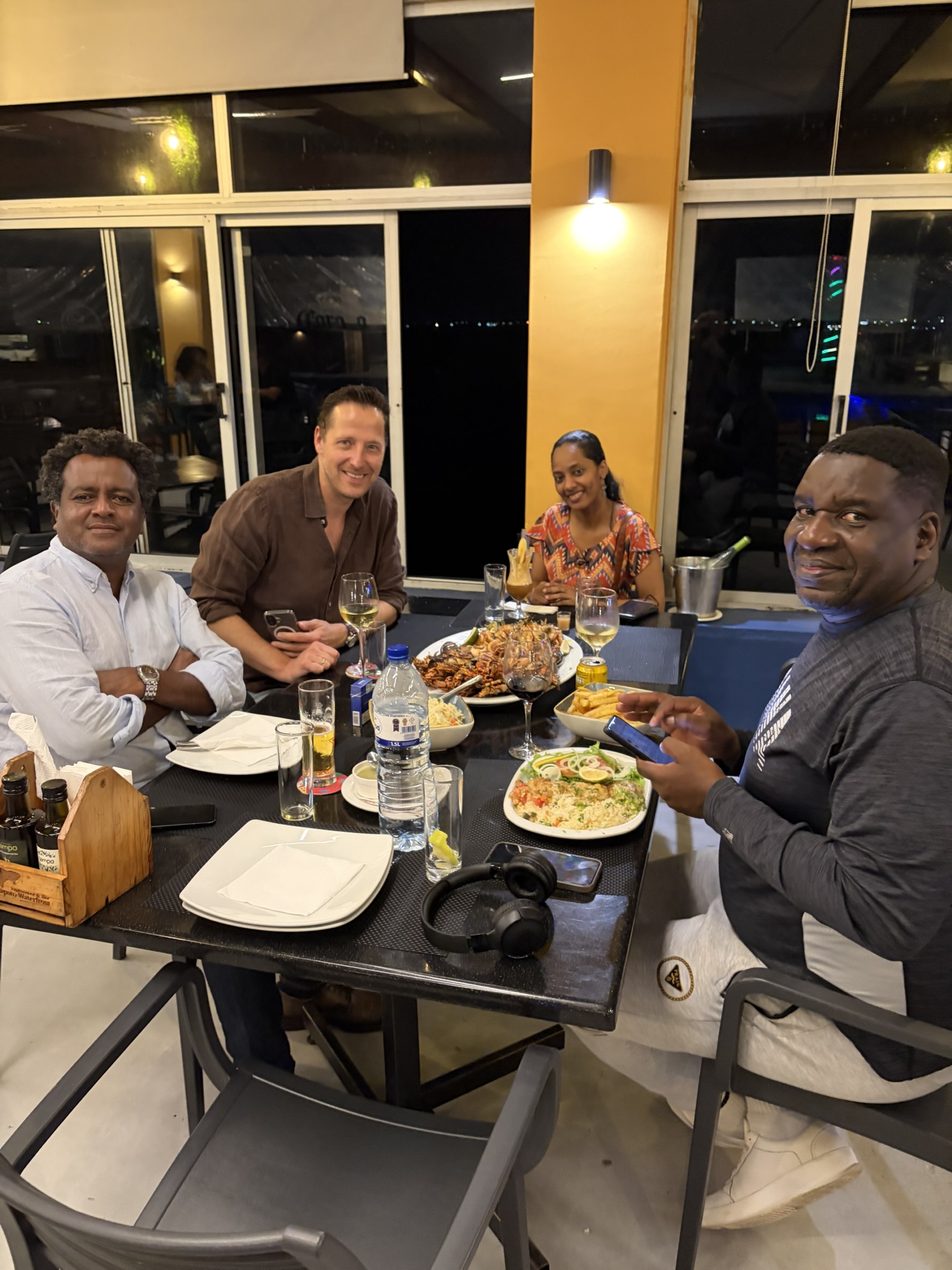
Woland and I miss Hua Hin — our hikes there, and our walks and runs on the beach — but we have no choice but to adapt. We had a great last three months there, with relatively little travel on my side. In fact, after returning from Morocco in late January, I did not travel again until mid-April, when I spent a week in Paris visiting Sofia before heading to Tunis and Maputo for work. I returned to Thailand on May 10 and began preparing for Woland’s and my move. Natalia had already relocated and came back just a few days earlier to help me.
________________
I recently finished reading Michael Pollan’s A World Appears, his book on consciousness. It is based largely on interviews with neuroscientists, philosophers, and other academics working on the subject. Pollan is, as always, an engaging writer, but I would not particularly recommend the book. There are other works on consciousness written for a general audience by specialists in the field — such as Being You by the neuroscientist Anil Seth, which I read some time ago — that provide a similarly broad overview of the science without drifting into spiritual or religious musing.
I very much like Seth’s concept of “controlled hallucination”: the idea that the brain continuously constructs a simulation of the environment in order to help us survive. According to his theory, “the self is not the thing that is perceiving; it is itself a kind of perception constructed by the brain” — a self that constantly rewrites and reorganizes our memories as circumstances change. Indeed, it seems plausible that one of the essential functions of consciousness is to help us repurpose the past in service of the present and the future. In one of Pollan’s interviews, the biologist Michael Levin asks: “Could consciousness simply be what it feels like to be in charge of constant self-construction, driven to reinterpret all available data in the service of choosing what we do next? […] Can I cobble together a coherent story of myself, my past, my environment, and be creative about it?” In short, we are all hallucinating.
_________________
I do not plan to travel again until mid-July, when I need to return to Maputo for a couple of weeks. Even if I wanted to travel earlier, I cannot, as I still need to obtain my residency papers. In early August, however, I will head to Panama to sail BEHEMOTH. She just got a new main sail cover (see pic) that I think fits her very well. She is also getting new fenders and some varnish here and there. I plan to stay in the Gulf of Panama for one month or so and from there continue on to Ecuador. If everything goes according to plan, I should be back by late September.